The Kelley Font: A Maker's Elegant Script for Crafted Products
The morning light is just right across my work desk, and I’ve opened my design software. I'm staring at a blank canvas meant for a new candle label. I type a name—Lavender & Rain—and a few keywords about its scent. The default font feels too stiff, too impersonal. I scroll through my collection and pause on Kelley. I click it. Suddenly, those words transform. They flow with a chic, exquisitely graceful handwritten style. The label isn’t just informative anymore; it feels like a whispered promise. This is the moment Kelley becomes a real tool, not just a typeface.
The Graceful Personality of Kelley
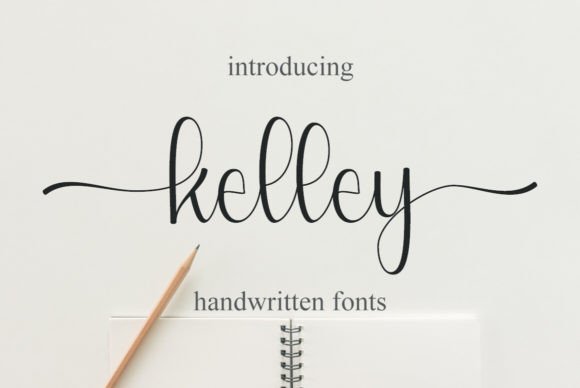
What makes Kelley so special for makers? Its visual personality is one of refined charm. It’s a script font that avoids being overly casual or dramatically ornate. Instead, it strikes a perfect balance: elegant enough for a wedding suite, warm enough for a heartfelt thank-you note. The strokes have a natural variation that mimics genuine handwriting, lending an air of authenticity to anything you create. Its mood is inherently uplifting and sincere, making it ideal for products that carry emotional weight—inspirational quotes, greeting cards, or personal stationery. For a crafter or seller, this creative appeal translates directly into perceived quality. A product tagged or labeled with Kelley immediately feels more thoughtful, more bespoke.
Bringing Kelley to Life on Your Products
Imagine Kelley in action across your shop. For wedding stationery, it beautifully script the names of the couple on invitations, welcome signs, and seating charts. For greeting cards, it gives birthday messages or holiday wishes that lovely handwritten touch without the hassle of calligraphy. In your product packaging, it elevates simple jar labels for honey, tea blends, or bath salts. On digital printables, like planner pages or wall art quotes, Kelley adds a layer of artistic grace that customers download and instantly adore.
Think about seasonal craft designs: autumn harvest signs on wood, elegant Christmas tags for gift boxes, or spring-themed stickers for planners. For physical merchandise like mugs, tote bags, or shirts, Kelley can script a short, meaningful phrase or a brand name, turning ordinary items into keepsakes. In your shop branding, using Kelley consistently for logo elements, social media graphics, and listing titles helps build a recognizable, cohesive brand identity that customers will remember. It’s about emotional appeal and audience engagement—the font speaks before the product does.
Practical Application and Readability
Kelley shines best as a display font. It’s perfect for short phrases, names, titles, and decorative wording. I use it for the main headline on a candle label, the couple's names on a wedding invitation mockup, or the title on a farmhouse-style printable wall art. For longer blocks of text, like product descriptions on a tag or instructions on a card, pairing Kelley with a clean, readable font is key. A simple sans serif font like a geometric or rounded style provides excellent contrast and ensures all information is clear.
Readability is crucial when translating designs into physical form. For cutting machines like Cricut or Silhouette, Kelley’s well-defined strokes usually convert cleanly to SVG paths for cutting stickers or vinyl. When printing small stickers or product labels, test at your intended size—the elegant details remain legible down to a reasonable scale. On printed cards and mockup previews, Kelley maintains its character, adding premium texture to your listing images. Always preview your final design in context, whether it’s a digital download preview or a photo of the actual printed mug.
Font Pairing and Technical Considerations
A successful design often hinges on font pairing. Kelley, as a standout script, works beautifully with:
- A clean sans serif for body text and subtitles.
- A simple serif font for a slightly more traditional, editorial feel.
- Another, more casual handwritten font for layered, eclectic designs.
- A bold display font for creating strong focal points alongside Kelley’s grace.
Before using Kelley for commercial products, take a moment to check its technical specs. Ensure your license covers selling physical products (like candles with labels), templates and printables, or merchandise. Look into the included styles: does it have alternates or ligatures that can add unique flair to repeated letters in a name? Are there swashes for elegant beginnings and endings? Confirm the file formats you need (OTF, TTF, often WOFF for web) and check multilingual support if your market requires it. These steps are part of the responsible, professional use of a creative font like Kelley.
A Maker's Creative Journey with Type
My afternoon now finds me testing a sheet of vinyl stickers. I’ve used Kelley for the word “Gather” on a sticker meant for a recipe journal. Seeing it printed, then weeded, then finally pressed onto a notebook cover, completes the cycle. The font has moved from a digital asset to a tangible part of someone’s creative life. This is the heart of using Kelley for handmade businesses. It’s not about guaranteed sales numbers or invented customer reactions; it’s about elevating your own craft, infusing your work with a specific, graceful personality that resonates.
Whether you’re designing boutique tags for ceramic pots, inspirational quotes for digital download wall art, or packaging for a limited seasonal product, Kelley offers that touch of elegance. It helps your products present themselves not just as items, but as experiences. In the world of handmade and printable goods, where personal touch is the ultimate currency, a typeface like Kelley becomes a silent, powerful partner in your design story. So open your software, type those first words, and watch your ideas take on a new, exquisitely graceful life.